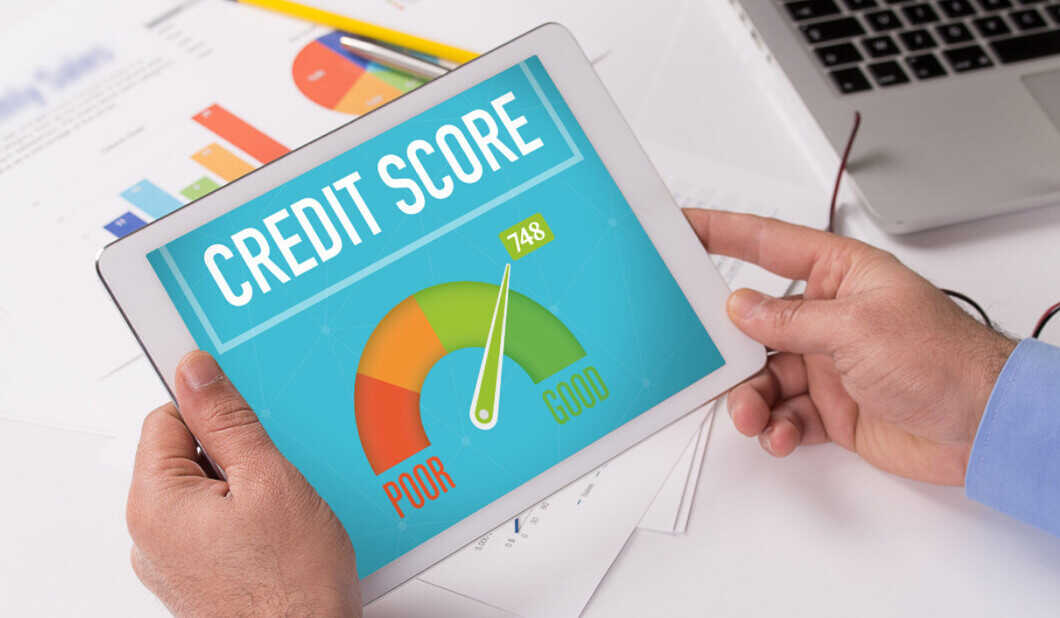

Credit reports shape more of your financial life than most people realize. They influence loan approvals, interest rates, rental applications, insurance premiums, and even job opportunities. What makes this more concerning is that many damaging credit report errors go unnoticed for years, quietly limiting financial growth without any obvious warning signs.
This article breaks down the most common credit reporting mistakes, explains how they affect your financial future, and outlines clear, practical steps to fix them before they cost you real money.
Why Credit Report Accuracy Matters More Than You Think
A credit report is meant to be a factual snapshot of your borrowing behavior. When errors slip in, lenders may see you as a higher-risk borrower than you actually are.
Even small inaccuracies can lead to:
-
Higher interest rates
-
Reduced borrowing power
-
Loan or credit card denials
-
Slower wealth-building opportunities
Because these effects compound over time, unnoticed errors can quietly stall long-term financial progress.
Incorrect Personal Information
Errors don’t always involve money. Sometimes they start with basic identity details.
Common issues include:
-
Misspelled names
-
Incorrect addresses
-
Wrong Social Security or ID digits
-
Mixed files with someone of a similar name
While these may seem harmless, incorrect personal data can cause other people’s debts or late payments to appear on your report, dragging your score down unfairly.
How to fix it:
-
Review all personal details line by line
-
Dispute inaccuracies with documentation such as an ID or utility bill
-
Follow up until the bureau confirms correction
Accounts That Don’t Belong to You
One of the most damaging errors is the appearance of accounts you never opened.
This often results from:
-
Clerical errors
-
Identity theft
-
Credit file mixing
Unauthorized accounts can severely lower your credit score and inflate your debt profile.
How to fix it:
-
Dispute the account immediately with all credit bureaus
-
Contact the lender listed on the account
-
Place a fraud alert if identity theft is suspected
Incorrect Account Status
Many credit reports show accounts as delinquent, charged-off, or closed when they are actually in good standing.
Typical mistakes include:
-
Paid accounts still listed as unpaid
-
Accounts marked late despite on-time payments
-
Closed accounts reported as open
These errors signal financial risk to lenders, even when your payment history is solid.
How to fix it:
-
Gather proof of payment (bank statements, receipts)
-
Submit a dispute explaining the discrepancy
-
Request written confirmation once corrected
Duplicate Accounts
Duplicate listings occur when the same debt appears more than once, often after being transferred to a collection agency.
This can:
-
Inflate your total debt
-
Increase credit utilization
-
Make your financial obligations appear larger than they are
How to fix it:
-
Identify duplicate account numbers
-
Dispute one listing with evidence showing it’s already reported elsewhere
-
Monitor your report to ensure only one entry remains
Incorrect Credit Limits or Balances
Your credit utilization ratio plays a major role in your score. Errors here can quietly do serious damage.
Common problems include:
-
Credit limits reported lower than actual
-
Balances reported higher than current
-
Paid-down cards still showing maxed-out balances
Even responsible spending can look risky when these numbers are wrong.
How to fix it:
-
Compare statements with reported balances
-
Dispute incorrect figures
-
Ask creditors to update limits and balances directly
Outdated Negative Information
Negative marks aren’t meant to last forever, but outdated data often lingers longer than allowed.
Examples include:
-
Old late payments
-
Paid collections
-
Bankruptcies reported past their legal timeframe
These outdated entries suppress your score long after their impact should have faded.
How to fix it:
-
Check the date of first delinquency
-
Dispute items that exceed reporting limits
-
Request early removal where applicable
Authorized User Errors
Being added as an authorized user can help or hurt your credit depending on how it’s reported.
Problems arise when:
-
An authorized account is incorrectly listed as your responsibility
-
Negative activity appears without context
-
You’re not removed after requesting it
How to fix it:
-
Confirm authorized user status is labeled correctly
-
Ask the primary account holder to remove you if needed
-
Dispute misreported responsibility
How to Prevent Future Credit Report Errors
While you can’t control every reporting mistake, you can reduce long-term damage.
Smart habits include:
-
Reviewing credit reports at least once a year
-
Checking statements monthly
-
Keeping records of payments and correspondence
-
Acting quickly when something looks off
Early detection is the difference between a minor fix and years of financial setbacks.
Frequently Asked Questions
How often should I check my credit report for errors?
At least once a year, though quarterly checks are ideal if you’re actively building credit or planning a major financial move.
Can disputing errors lower my credit score?
No. Disputing legitimate inaccuracies does not harm your score and often improves it once corrections are made.
How long does it take to fix a credit report error?
Most disputes are resolved within 30 days, though complex cases may take longer.
What if a creditor refuses to correct inaccurate information?
You can escalate the dispute with additional documentation and request a formal investigation from the credit bureau.
Do small errors really make a difference?
Yes. Even minor inaccuracies can affect interest rates and approval decisions over time.
Should I hire a credit repair service?
Many errors can be fixed on your own for free, but professional help may be useful in complex or identity theft cases.
Will fixing errors instantly boost my credit score?
Some improvements appear quickly, while others take time as updated data cycles through scoring models.