
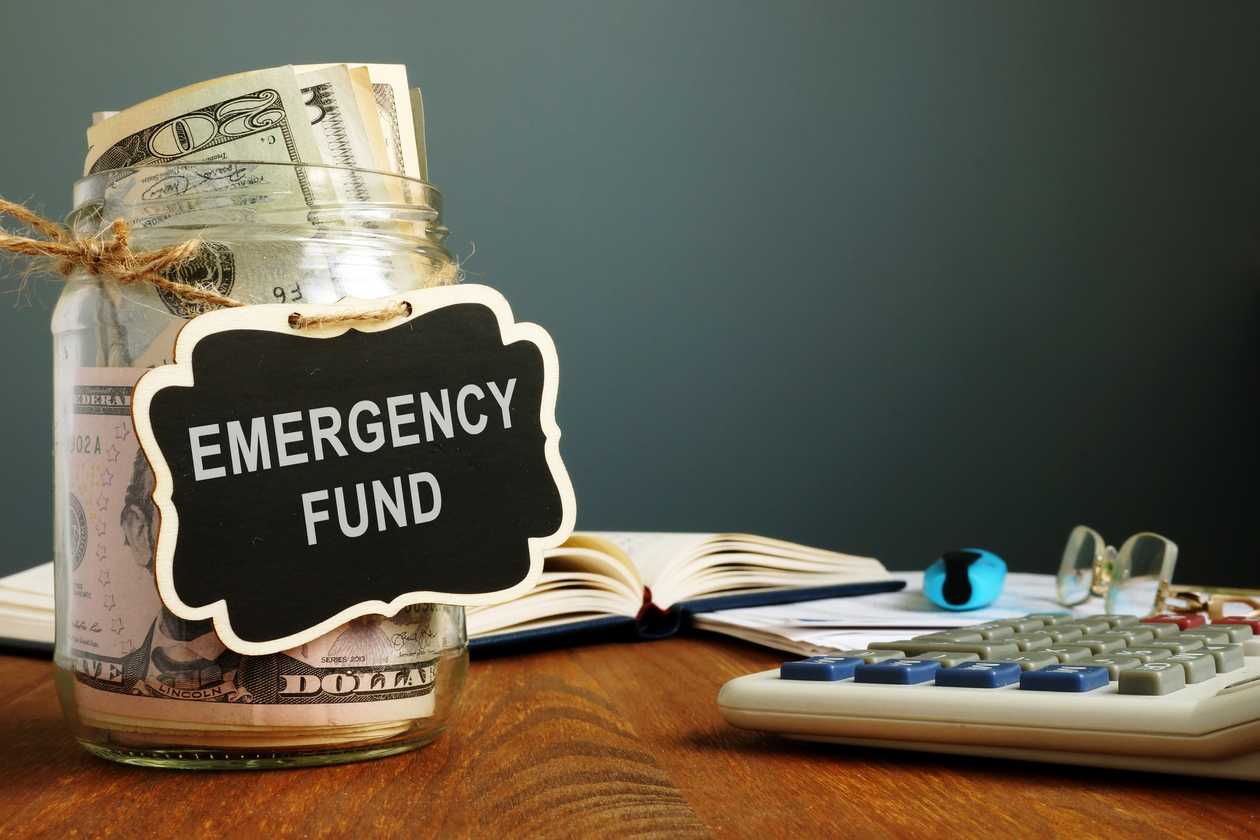
Economic uncertainty has a way of turning small financial hiccups into major stressors. Job instability, rising costs, and unexpected expenses can arrive without warning. That’s why an emergency fund isn’t just a good idea—it’s a financial lifeline. The key is building one that actually works when you need it most.
What Makes an Emergency Fund “Work”?
A functional emergency fund is not just money sitting in an account. It’s accessible, intentional, and realistic.
An effective emergency fund should be:
-
Liquid – Easy to access without penalties or delays
-
Separate – Not mixed with everyday spending money
-
Adequate – Sized for your real-world expenses, not generic advice
-
Protected – Safe from market volatility and impulse spending
How Much Should You Really Save?
The common advice is three to six months of expenses, but during economic uncertainty, flexibility matters more than rigid rules.
Start With Your Core Monthly Costs
Focus only on essentials:
-
Housing (rent or mortgage)
-
Utilities
-
Food
-
Transportation
-
Insurance
-
Minimum debt payments
Multiply this total by 3 months if income is stable, or 6–9 months if income is irregular or at risk.
Pro tip: If the full amount feels overwhelming, aim for your first $1,000. Momentum matters.
Where to Keep Your Emergency Fund
Not all accounts are created equal. Your emergency fund should prioritize safety and access, not high returns.
Best places to store emergency savings:
-
High-yield savings accounts
-
Money market accounts
-
Cash management accounts
Avoid tying emergency funds to:
-
Stocks or ETFs (too volatile)
-
Retirement accounts (penalties and taxes)
-
Illiquid assets (real estate, long-term CDs)
How to Build an Emergency Fund Faster (Without Feeling Deprived)
Saving doesn’t have to feel like punishment. Small, consistent actions add up.
Practical Strategies That Actually Stick
-
Automate savings right after payday
-
Redirect windfalls (bonuses, tax refunds)
-
Trim temporary expenses instead of permanent lifestyle cuts
-
Use a side-income buffer exclusively for emergency savings
Consistency beats intensity. Even $50 a week becomes meaningful protection over time.
Common Mistakes That Undermine Emergency Funds
Many emergency funds fail because of avoidable errors.
Watch out for these pitfalls:
-
Treating the fund as a vacation or shopping account
-
Investing emergency savings for higher returns
-
Not replenishing the fund after using it
-
Underestimating real monthly expenses
An emergency fund is insurance, not an investment vehicle.
Adjusting Your Emergency Fund During Economic Uncertainty
When the economy feels shaky, your emergency strategy should evolve.
Smart Adjustments to Make
-
Increase savings targets if job security changes
-
Pause non-essential investments temporarily
-
Keep expenses lean until stability improves
-
Reassess monthly costs every 6–12 months
Flexibility keeps your emergency fund relevant, not rigid.
When to Use Your Emergency Fund (and When Not To)
Using your emergency fund correctly is just as important as building it.
Appropriate uses include:
-
Job loss or reduced income
-
Medical emergencies
-
Urgent home or car repairs
-
Unexpected essential travel
Not emergencies:
-
Planned purchases
-
Lifestyle upgrades
-
Regular bills you already budgeted for
After using the fund, rebuild it as soon as possible.
Final Thoughts
Building an emergency fund during economic uncertainty isn’t about fear—it’s about control. A well-structured emergency fund gives you options, confidence, and peace of mind when circumstances shift unexpectedly. Start small, stay consistent, and prioritize accessibility over perfection.
Frequently Asked Questions
1. Can I build an emergency fund while paying off debt?
Yes. Start with a small emergency buffer ($500–$1,000) before aggressively tackling debt to avoid relying on credit during emergencies.
2. Should my emergency fund change if inflation rises?
Absolutely. Rising costs increase monthly expenses, so your emergency fund target should be reassessed periodically.
3. Is it okay to keep emergency savings in multiple accounts?
Yes. Some people keep part of it ultra-accessible and another portion in a slightly higher-yield account for balance.
4. How often should I review my emergency fund?
Review it at least once a year or after major life changes like a new job, relocation, or family expansion.
5. What if I can’t save consistently?
Irregular saving is better than none. Focus on saving whenever income allows rather than stopping altogether.
6. Should freelancers or gig workers save more?
Yes. Variable income increases risk, so aiming for 6–9 months of expenses is generally safer.
7. Is cash better than a savings account during uncertainty?
Physical cash can help in rare situations, but insured savings accounts offer better security and easier management for most people.